

A Quiet Revolution on the Corner
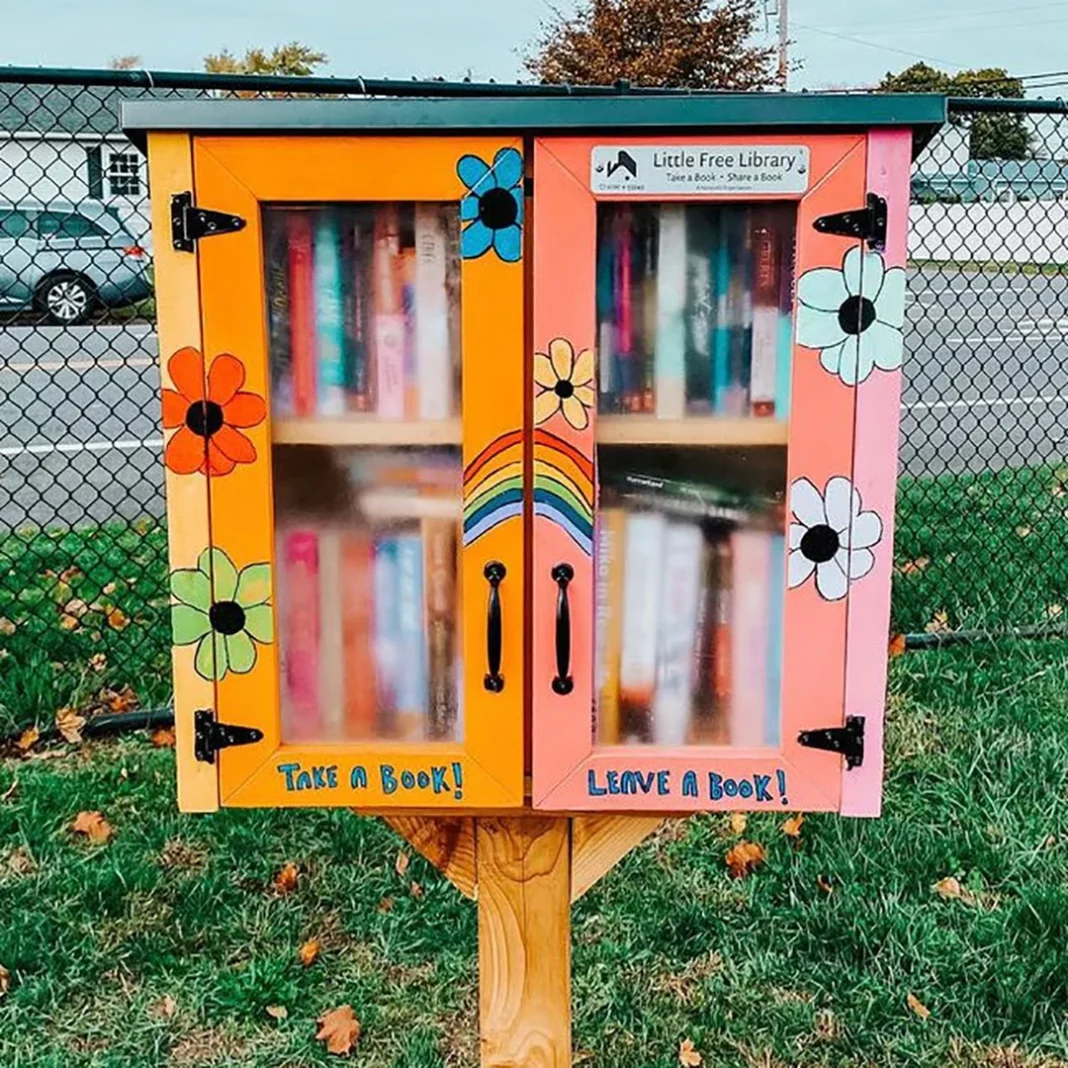
Across neighborhoods from quiet suburbs to busy city streets small wooden boxes on posts have become symbols of community care. These Little Free Libraries invite anyone passing by to take a book or leave one. The idea seems simple yet its impact runs deep. A well placed library often becomes a small anchor in the daily rhythm of a place. Children wander up after school curious about what treasure they might find. Retirees stroll past and check for something light to read in the evening.
The practice of sharing books in this way speaks to something timeless. Reading has always been a bridge between strangers and friends alike. While some prefer to browse these neighborhood boxes those who are looking for more options often include Z library in their list. Both the wooden library and the e library echo the same truth—stories move best when they move freely.
Sharing Stories Builds Bonds
One reason Little Free Libraries hold charm is that they remove barriers. No library card no due date no strict rules. A person might discover an old paperback of “To Kill a Mockingbird” one week and replace it with “The Hobbit” the next. This free exchange creates invisible threads that tie readers together.
Beyond the personal joy there is also a civic layer. A community that tends to a Little Free Library is a community that cares about shared spaces. Some volunteers decorate them with seasonal colors while others keep them plain and sturdy. In both cases the message is the same—knowledge and joy belong to everyone.
Now the reach of these libraries connects to deeper themes:
- A Living Shelf of Serendipity
Each box is a rolling dice of discovery. No one knows what will be waiting behind the little glass door. One week might bring detective novels another week a stack of poetry. That uncertainty mirrors the pleasure of wandering a bookstore without a list. The act of stumbling upon a book outside one’s usual choices stretches the reading mind in subtle ways.
- A Lesson in Trust
These libraries depend on an unwritten pact. Take what is needed leave what can be spared. It is not enforced by cameras or fines but by community spirit. When a person returns a book or adds a fresh one it strengthens a quiet culture of trust. This exchange fosters a belief that generosity can work without heavy systems or strict control.
- A Stage for Creativity
Many Little Free Libraries reflect the personality of their keepers. Some are painted like tiny cottages others shaped like rockets or schoolhouses. Beyond looks the choice of books also carries a voice. A gardener may fill the shelf with plant guides while a retired teacher may offer classics from literature. In this way each library becomes part bookshelf part diary of its caretaker.
These qualities show how these little boxes become more than storage. They transform into mirrors of the community around them while nudging everyone toward kindness.
Where Tradition Meets Modern Flow
Though the concept is old the spirit feels modern. The Little Free Library rests on the same idea as the ancient agora or the village square. It is a place for ideas to mingle outside of rigid systems. Yet it has adapted well to contemporary streets. Painted bright and often shared on social media these libraries act as quiet but visible landmarks.
They are also reminders that access to books need not depend only on large institutions. For some readers that box on the corner may be the first step toward broader exploration. It may spark a lifelong habit of looking for more knowledge wherever it can be found.
The Ongoing Story of Giving and Receiving
Every book placed inside a Little Free Library carries a piece of a journey. It may be a novel that once offered comfort on a long commute or a memoir that shaped a person’s thinking. Passing it along gives the book a second life. Taking one in return sets another story in motion. The cycle is humble yet profound.
The future of these libraries rests not on technology or policy but on human impulse. As long as people continue to care about sharing stories these wooden boxes will remain. Their allure lies in their simplicity—the promise that anyone walking by can open a door and step into a new world.
