
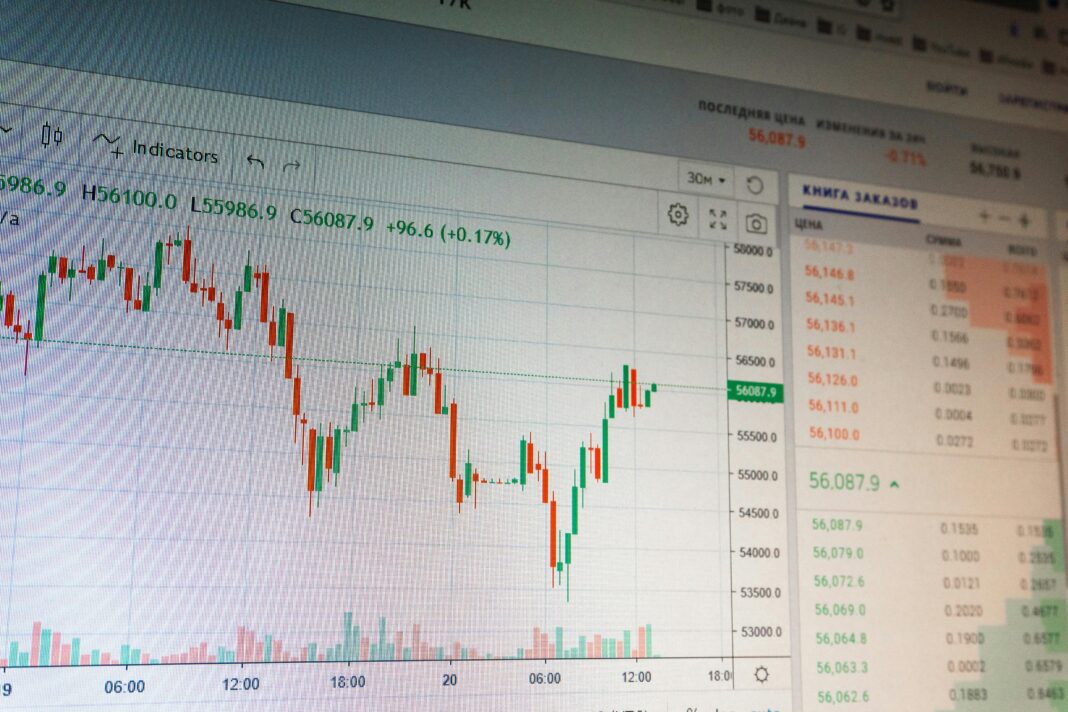

CFD trading sits in an unusual place within modern markets. It offers speed, flexibility, and broad exposure, yet it also compresses risk into a form that can punish weak process very quickly. That tension explains why CFDs remain relevant for sophisticated traders in South Africa.
They provide access to global instruments without requiring direct ownership of the underlying asset, and they allow traders to express short-term views with efficiency. At the same time, the structure demands precision. Margin use, execution quality, and broker controls matter far more than many newer traders first assume.
For South African market participants, the conversation around CFDs is shaped by two realities. The first is access. Traders can use CFDs to engage with currencies, indices, commodities, shares, and other markets from one account environment. The second is accountability.
The Financial Sector Conduct Authority, or FSCA, acts as South Africa’s market conduct regulator and supervises the conduct of regulated financial institutions, while the public FSCA framework also includes regulated entities such as OTC derivatives providers. That regulatory setting gives traders a clearer basis for broker due diligence and conduct expectations.
Platform quality shapes risk long before a trade is opened
Experienced traders know that platform choice is part of risk management. It affects execution, operational stability, and cash access. In practice, a weak platform can distort a solid strategy through delays, pricing issues, or poor support during stressed market conditions. Strong platforms offer the broker environment that supports disciplined trading under real pressure.
Several features of platforms for CFD trading in South Africa deserve more attention than they usually get. Instant withdrawals matter because they reduce friction around fund access and account management. Swap-free trading matters for traders whose strategies, cost structures, or account preferences require more flexibility in overnight exposure. Round-the-clock customer support matters because market risk does not always arrive during office hours. Security and regulatory compliance tie the whole picture together. A platform can look efficient on the surface, but account protection, complaint pathways, and conduct obligations remain the real test.
Broker marketing often highlights these features, and traders still need to verify how they work in practice and under what conditions. This is why users look for instant withdrawals and around-the-clock support, while also presenting swap-free trading as part of their offering.
A strong platform should support the trader in several practical ways:
- It should provide clear margin information and transparent trading conditions.
- It should process routine funding actions smoothly, especially withdrawals.
- It should make support accessible when execution, verification, or payment issues arise.
That may sound basic, but operational quality often determines whether a trader can follow a plan under stress. Good strategy with poor infrastructure is still poor risk control.
Leverage and volatility reward precision, then punish carelessness
Leverage is the feature that attracts attention first, and it is also the feature that demands the most discipline. In CFD trading, leverage expands market exposure relative to account capital. That can improve capital efficiency, especially for traders who manage positions with a clear framework. It can also magnify errors at a pace that leaves no room for hesitation.
This is where many discussions become too generic. The real issue is not that leverage is risky in the abstract. The real issue is how leverage interacts with volatility, liquidity, and trader behavior. A position may look sensible under normal conditions, then become fragile when spreads widen, or price moves accelerate around news, market opens, or sudden shifts in sentiment. Traders who already understand the technical structure often underestimate this operational layer. A chart setup may remain valid, while the position still becomes untradeable because the leverage used left no room for path dependency.
The South African market is strengthening; still, local traders working across global CFD markets face this challenge often because they are engaging with instruments driven by international macro flows, earnings reactions, commodity shocks, and central bank expectations. In that setting, risk cannot be reduced to stop-loss placement alone. It also depends on position sizing, correlated exposure, and the ability to distinguish signal from noise during fast repricing.
Useful discipline often comes down to a few principles:
- Size positions for adverse movement, not for ideal entry conditions.
- Treat leverage as a tool for efficiency, not for excitement.
- Build room for execution slippage and market noise into the trade idea itself.
That approach sounds conservative, yet it is often what keeps an experienced trader active long enough to benefit from genuine edge.
Regulation matters most when something goes wrong
Regulation rarely feels exciting during calm periods. Its value becomes obvious when there is a dispute, a disclosure problem, or a question about how a broker handles client interactions. In South Africa, the FSCA’s role in market conduct supervision matters because it creates a framework for accountability. It supports expectations around fair treatment, disclosures, and the conduct of regulated firms. The FSCA also maintains public information on regulated entities, which gives traders a practical starting point when checking whether a provider falls within the relevant supervisory perimeter.
That does not remove risk from CFDs. It does something more useful. It creates a better environment for assessing counterparties. A trader still needs to ask hard questions. Is the broker clear about pricing? Are product terms understandable? Is client communication consistent? Is there evidence of proper authorization or inclusion within the relevant regulated category?
Experienced traders often focus heavily on spreads and execution, which makes sense. Yet legal structure and conduct oversight carry equal weight over time. A broker relationship is not only about entering trades. It is also about handling funds, disputes, platform interruptions, and account restrictions in a predictable way. Regulation supports that predictability, even though it never replaces trader responsibility.
Market access is the real appeal, but access without structure has limited value
The appeal of CFDs in South Africa is straightforward. One trading environment can connect a local trader to global opportunities. That access supports tactical participation across asset classes without the operational demands of buying and holding each underlying market directly. For active traders, that flexibility matters. It allows quicker expression of macro views, hedging decisions, and short-term rotational ideas.
Still, market access only becomes meaningful when paired with structure. A trader who can reach every market but lacks a hierarchy of opportunity often ends up overtrading. Broad access can dilute focus just as easily as it can improve it. Skilled participants usually solve this by narrowing their playbook. They define which instruments fit their method, which sessions matter most, and which conditions justify risk.
That is especially important in a South African context because many traders are engaging with markets whose main drivers sit outside local hours and local headlines. Global access expands possibility, but it also requires stronger preparation. Traders need a framework for event risk, funding logistics, and overnight exposure. They also need to understand when a market is truly liquid and when it simply looks tradable on a screen.
The strongest CFD traders tend to separate access from opportunity. Access is available. Opportunity must be earned through selection, timing, and restraint.
Responsible participation starts with broker selection, then moves to the process
CFD trading in South Africa deserves a serious reading because it offers genuine flexibility inside a regulated financial environment, while still exposing traders to concentrated risk. That combination is exactly why platform quality, broker conduct, and trade structure matter so much. A reliable platform supports execution and account control. Regulation supports accountability. Market access creates opportunity. None of those elements can carry the full burden on their own.
For experienced readers, the useful takeaway is practical. Treat broker selection as part of the strategy. Treat leverage as a variable that must be earned. Treat regulation as a filter for decision-making. When those pieces work together, CFDs become easier to assess with clarity and discipline. That is the standard that matters in a market built on speed, pricing, and responsibility.
